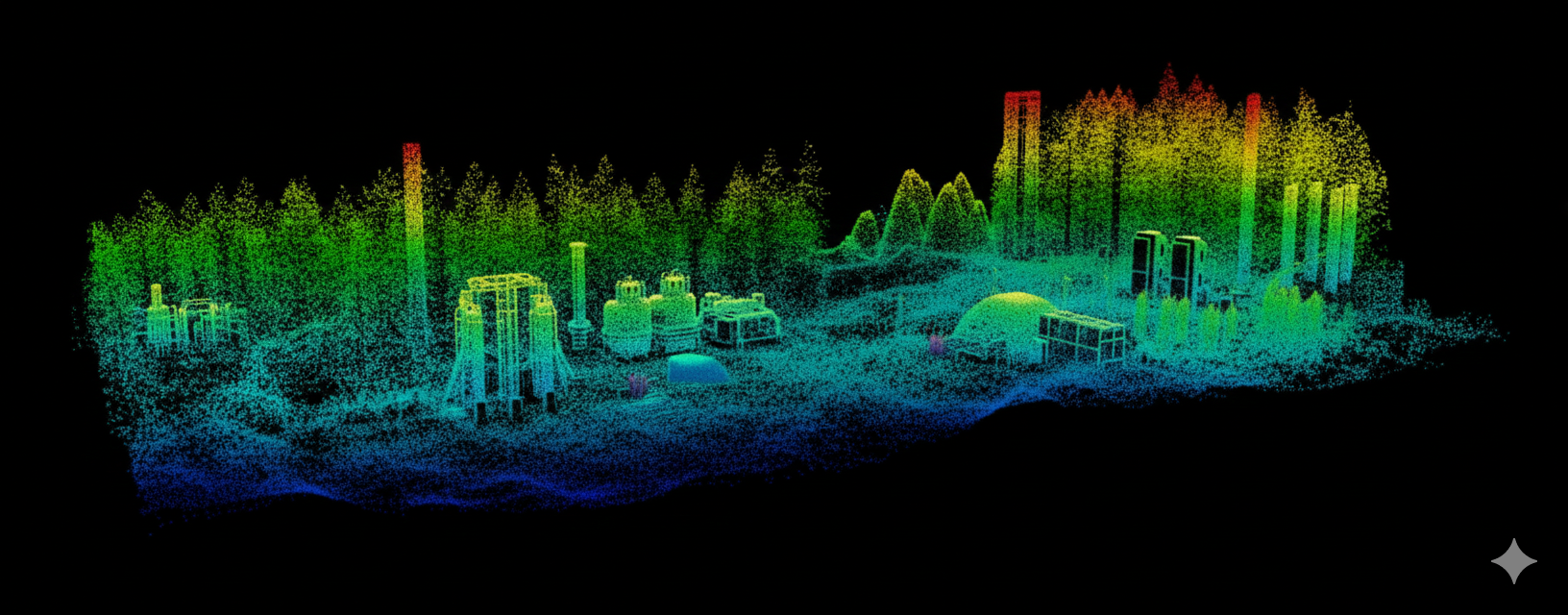
Artio™ Risk Engine
Our predictive risk engine includes dynamic real time insights such as biomass monitoring, carbon sequestration forecasts, and climate risk indicators like fire and flood exposure.
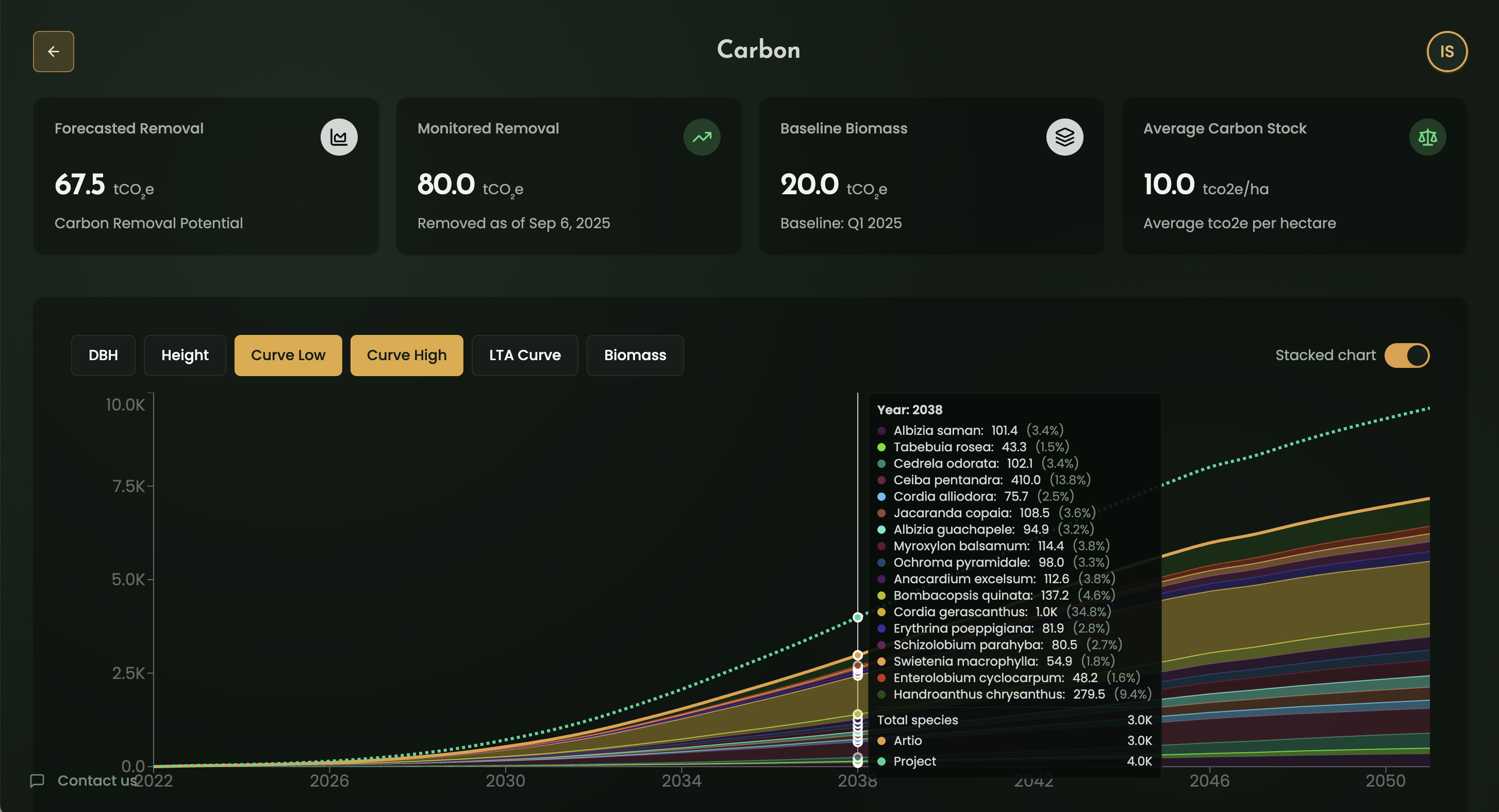
Carbon Modelling
Artio develops fully independent carbon curves by calculating the unique lifecycle analysis for every project type, from scientific tree growth rates to pyrolysis and weathering outputs. Our models move beyond generic estimates, providing high-fidelity sequestration and delivery projections tailored to specific methodologies. This rigorous, science-first approach ensures that our modelling is backed by a precise carbon accounting framework.
Biomass Monitoring
We leverage deep learning models trained on global biomes and LiDAR data to generate high-resolution, 10-metre biomass maps. By correlating Sentinel-2 satellite imagery with digital elevation and land cover data, we achieve granular, spatially accurate insights across any project site. This scalable remote-sensing framework provides a consistent "ground truth" for forest structures and vegetation density worldwide.
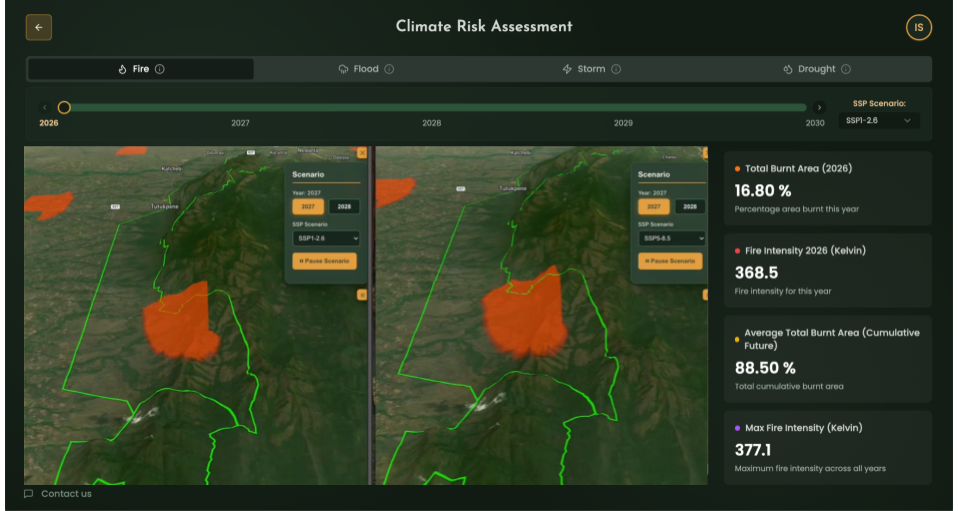
Climate Risk Modelling
We create custom impact functions for every project type to quantify the specific vulnerabilities of carbon assets to fire, flood, drought, and storm risks. These functions are integrated directly into our carbon curves, allowing us to stress-test project performance against escalating environmental volatility. By modeling climate risk at the project level, we translate complex meteorological data into actionable insights.
FAQs
-
We have curated a large data set of allometries, tree diameter and heights at different ages and mortality datasets. This allows us to create a range of probabilistic outcomes for species growth and ultimately carbon removal.
-
Our internal database can forecast species mix with over 8,000 different species covering any country.
We use over 120,000 species specific data points on diameter, height and relevant allometries to model growth and mortality over a 30-year period.
-
Our climate risk models go beyond basic hazard maps to show exactly how natural disasters impact carbon project viability. We connect leading climate science directly to carbon credits, measuring the real financial threat of wildfires, droughts, floods, storms, and earthquakes. Using the latest research, we apply tailored impact functions specifically designed for ARR, ERW, and BiCRS projects to accurately assess these hazards. By calculating the true threats to carbon delivery and long-term permanence, we help prioritise effective risk mitigation strategies. Ultimately, we turn complex climate data into clear underwriting insights, giving you the definitive intelligence needed to confidently invest in carbon offset projects.
-
Our risk model works for various use cases across forestry and carbon technology assessments. If you require insights from early stages and models optimised to cover entire lifecycles we can provide unique insights from our market leading models.
-
Our platform monitors risk in near-real time. This includes live weather monitoring and short term forecasting of hazards and climate events. We also track any political and policy changes that could impact the projects.
-
We do not recommend specific methodologies however we can assess your project’s eligibility under each relevant methodology to support your decision making.